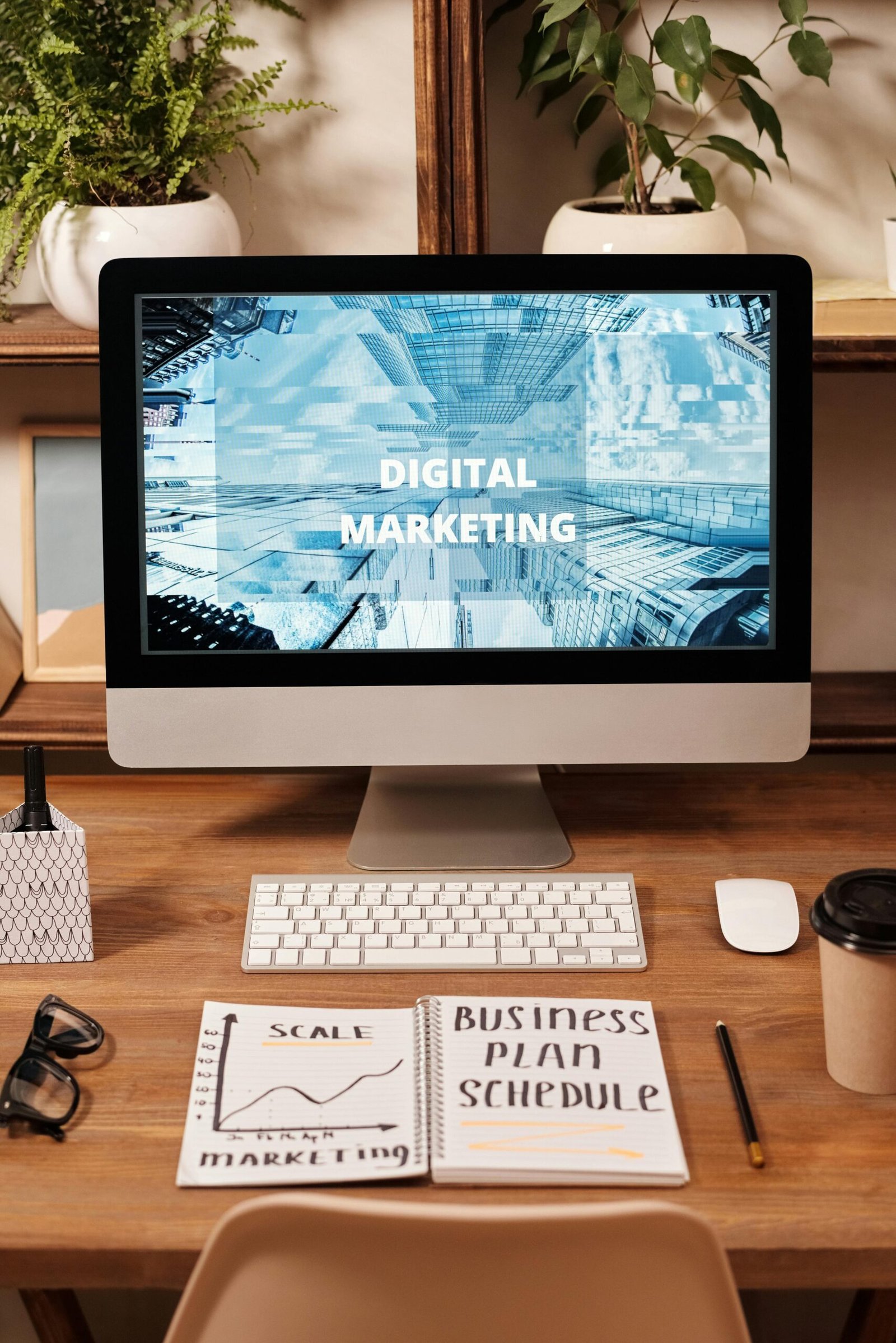

In today’s visually driven world, the role of a graphic designer has become more significant than ever before. From the logos we recognize to the advertisements we see, from social media posts to product packaging — graphic design is everywhere. A graphic designer is a creative professional who combines art, technology, and communication to convey messages visually. Their goal is to create designs that are not only attractive but also meaningful and effective in delivering a message to the audience.
What Does a Graphic Designer Do?
A graphic designer’s primary task is to turn ideas into visual concepts. They use colors, shapes, typography, and images to communicate ideas that inspire, inform, or captivate consumers. Designers often work with clients or marketing teams to understand the purpose of a project and then use their creativity to produce designs that achieve that goal.
Their work includes creating logos, brochures, advertisements, social media posts, magazine layouts, web graphics, posters, and much more. A graphic designer’s work is both artistic and technical — they must balance creativity with practical communication.
Types of Graphic Designers
Graphic design is a vast field with many specializations. The main types of graphic designers include:
- Brand Identity Designers:
These designers create the visual elements that represent a company or organization — such as logos, color schemes, and typography. Their job is to ensure that the brand looks consistent across all platforms and materials. - Marketing and Advertising Designers:
These professionals design promotional materials such as posters, billboards, flyers, social media ads, and digital banners. Their designs aim to attract attention and persuade audiences to take action. - Web and UI Designers:
Web and user interface (UI) designers focus on designing websites and apps that are both visually appealing and easy to use. They work closely with web developers to ensure that the design looks good and functions well online. - Print Designers:
Although digital media dominates today’s world, print design is still essential. Print designers create materials such as magazines, book covers, packaging, and business cards. - Motion Graphic Designers:
These designers bring visuals to life through animation and video. They work on projects like explainer videos, movie titles, advertisements, and animated logos.
Skills of a Successful Graphic Designer
To be an effective graphic designer, one must develop a range of both technical and creative skills.
Creative and Artistic Skills:
- Creativity: The foundation of graphic design is imagination. Designers must think creatively to produce unique and innovative designs.
- Visual Communication: Understanding how colors, shapes, and layouts can communicate ideas and emotions.
- Attention to Detail: Every line, font, and color matters. A small mistake can change the entire message of a design.
- Typography: Knowing how to choose and use fonts effectively to make text visually appealing and readable.
- Composition: The ability to organize elements in a balanced and pleasing way.
Technical Skills:
- Design Software: Proficiency in tools such as Adobe Photoshop, Illustrator, InDesign, Canva, Figma, and CorelDRAW is essential.
- Digital Illustration: The ability to draw and create custom illustrations for specific projects.
- Photo Editing: Enhancing or retouching images to fit a project’s needs.
- Layout and Print Design: Understanding how to prepare files for printing and managing resolution, bleed, and color profiles.
- Knowledge of UI/UX Principles: For designers working on digital products, understanding how users interact with designs is crucial.
Soft Skills:
- Communication: Working with clients and teams requires strong communication to understand needs and feedback.
- Time Management: Meeting deadlines is essential in the fast-paced design industry.
- Adaptability: Trends in design change constantly; a good designer must always learn and adapt.
- Problem-Solving: Turning vague ideas into concrete visual solutions requires analytical thinking and creativity.
Tools and Technology in Graphic Design
Graphic designers use a variety of tools to bring their ideas to life. Some of the most popular software and platforms include:
- Adobe Creative Cloud: Photoshop for image editing, Illustrator for vector graphics, InDesign for layout design, and After Effects for motion graphics.
- Canva and Figma: Web-based tools for quick design creation and collaboration.
- Procreate: A popular app for digital drawing on tablets.
- Wacom Tablets: Used for sketching and detailed illustration.
- Color Palettes and Typography Libraries: Tools like Adobe Fonts and Coolors help designers choose the perfect color combinations and fonts.
Modern designers also rely on AI-based tools that can generate ideas, remove backgrounds, and even suggest layouts. However, while technology makes design easier, creativity and human emotion remain irreplaceable.
The Importance of Graphic Design
Graphic design plays a powerful role in modern communication. It helps brands stand out, tell stories, and build trust. A well-designed logo can make a company memorable; an attractive poster can capture attention; and a thoughtful social media design can increase engagement.
In business, first impressions matter — and design is often the first thing people notice. Graphic designers help shape these impressions. They turn abstract ideas into visuals that can influence perception and decision-making. Whether in marketing, education, healthcare, or entertainment, graphic design has the ability to make information more engaging and accessible.
Career Opportunities and Growth
The demand for talented graphic designers is high across industries. They can work in advertising agencies, media companies, design studios, corporate marketing teams, or as freelancers. Many designers also start their own businesses, offering branding and design services to clients worldwide.
As digital media continues to grow, so do opportunities in web design, social media content creation, and digital marketing. The field also allows flexibility — many designers work remotely, managing clients from different parts of the world.
To stay relevant, designers must continuously learn new software, follow design trends, and experiment with new techniques. Fields like 3D design, motion graphics, and interactive design are now becoming popular career paths.
Future of Graphic Design
The future of graphic design is exciting and dynamic. With advancements in artificial intelligence, virtual reality, and augmented reality, the way we interact with visuals is changing. Designers are exploring how to create immersive experiences that go beyond traditional 2D designs.
Sustainability is also becoming a focus — using eco-friendly materials for print and designing digital content that minimizes energy use.
Despite technological change, the core of graphic design will always remain the same: creativity, communication, and emotion.
Conclusion
In conclusion, graphic designers are the visual storytellers of our world. They transform ideas into visuals that inspire, inform, and influence. Their creativity shapes the way we see brands, products, and even ourselves. With the growing need for visual communication in every industry, the role of a graphic designer continues to expand and evolve. Whether designing a simple logo or creating a complex digital campaign, graphic designers bring imagination to life — making the world not just more beautiful, but also more connected and meaningful.